

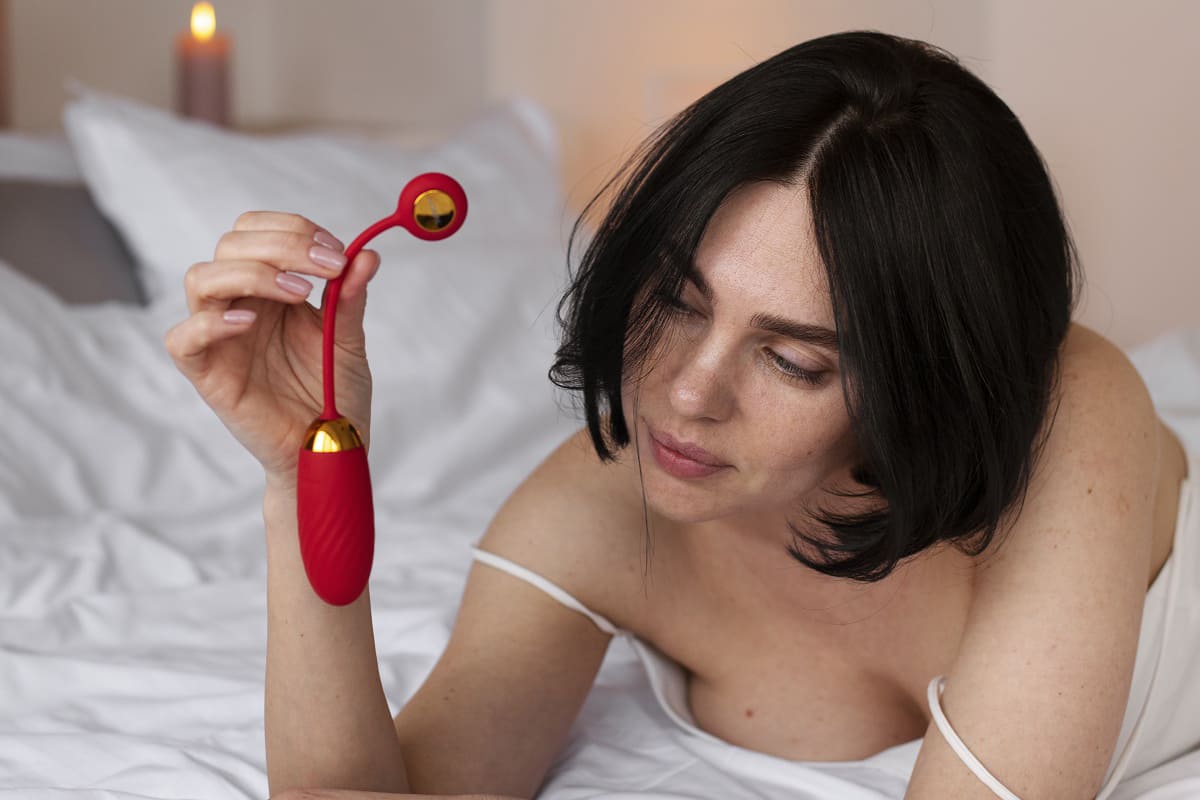
In Europe and the US, sex toys are about as common as a Netflix subscription. But here's the messy truth: skipping the post-play clean-up or sharing toys like a communal snack is quietly upping the risk of STIs (Sexually Transmitted Infections) and UTIs (Urinary Tract Infections).
Data from UK sexual health experts Better2Know shows 30% of toy-related infection cases are pesky issues like bacterial vaginosis or balanitis, 15% are serious STIs like chlamydia or gonorrhea, and there are even rare (but scary) reports of salmonella and hepatitis B transmission.
Can sex toys cause reinfection?
Yes, sex toys can absolutely cause repeat infections — and it's way more common than you think.
If you don't clean your toys properly, bacteria, viruses, or fungi from an STI or UTI can stay on the surface.When you use the same toy again later, those germs can re-infect you even after you've been treated.
It's like curing a sore throat then using the same dirty spoon you had when you were sick.
What even is an STI?
STD (Sexually Transmitted Disease) and STI (Sexually Transmitted Infection) are basically the same thing. These are infections spread mainly through sexual contact—yes, even without penetration. They're caused by bacteria, viruses, or parasites, and there are over 25 types floating around. In the US alone, the CDC (Centers for Disease Control and Prevention) says 20 million new STI cases pop up every year, with half hitting 15–24-year-olds. Syphilis cases hit a 70-year high in 2022 with 210,000 infections.
The worst part? Most STIs have no early symptoms. Left untreated, they can lead to infertility, pelvic inflammatory disease, or even cervical cancer.
So this isn't just "awkward doctor visit" territory — This is essential health knowledge you must know.
How sex toys can cause infections?
STIs need a ride, and bodily fluids (semen, vaginal discharge, rectal fluid) are their favorite Uber. Sex toys act as a middleman, and infection happens in three main ways (all avoidable!):
- Cross-infection: Sharing a toy with someone else without cleaning or protection. If Person A has chlamydia, their germs stick to the toy, and another person's delicate genital/rectal (mucous membranes) becomes the perfect entry point.
- Self-infection: Using the same toy for your anus then your vagina (or vice versa) without cleaning. Your butt is home to bacteria like E. coli—moving that to your vagina is a one-way ticket to UTI town.
- Delayed infection: Germs left on a toy survive long enough to infect you later. Even if you use the toy solo, leftover fluids from your last play session can harbor bacteria or viruses.
UK Public Health has documented cases where couples kept re-infecting each other with chlamydia — they'd get treated, then use their unwashed vibrator and start the cycle all over again.
How to avoid infection?
1. Pick the Right Material
Stick to medical-grade silicone, glass, metal, or hard plastic. If it feels sticky, smells weird, or is super cheap, it's probably porous—toss it or use it once and bin it. You can also choose our high-quality mini sex dolls.
1. Avoid Sharing
Treat your sex toy like your toothbrush: NO SHARING. Even with a partner. If you absolutely must share, cover the toy with a new condom for each person—yes, even on vibrators and dildos. And for the love of hygiene, don't use an anal toy on a vagina or mouth ever.
3. Clean it after using
Wash the toy with warm water and mild, unscented soap. Scrub every nook and cranny to get rid of all bodily fluids. Dry it with a clean towel or let it air-dry—moisture is germ fuel.
Also remember to make deep clean weekly, or after sharing. Here's the easy guide for different materials:
| Material | Best Disinfection | What to Avoid |
|---|---|---|
| Medical-grade silicone | Boil for 5–10 mins, wipe with 70% alcohol, or soak in 1:10 diluted bleach for 10 mins | Long alcohol soaks (ages the silicone) |
| Glass/Metal | Boil for 10 mins, run through a hot dishwasher cycle, or wipe with alcohol | Nothing—these are indestructible! |
| Hard plastic | Soak in diluted bleach for 10 mins or wipe with alcohol | Boiling (it melts!) |
| Rubber/Jelly | Only warm water + soap | Boiling, alcohol, bleach (destroys the toy) |
4. Store It Smart
Once clean and dry, pop your toy in a clean cloth bag or sealed container. Don't leave it lying around on your nightstand or in a damp drawer—mold and bacteria love that stuff. Also Wash new toys before using them! Even sealed ones can pick up germs during manufacturing or shipping.
If you think you got infected — Now What?
It's not the end of the world, but acting fast is key. Watch for red flags: pain when peeing, weird discharge, itching/burning, genital sores, or warts. If you notice any of these (or just feel paranoid after a risky use), do this:
1. Get Tested (Stat!)
Timing matters — here's when to get checked (per Western health guidelines):
- Emergency: If you think you were exposed to HIV, get to a sexual health clinic within 72 hours for PEP (Post-Exposure Prophylaxis) meds. The first 2 hours are golden—don’t delay!
- Chlamydia/Gonorrhea: 7 days after exposure.
- Syphilis: 3 weeks after exposure.
- HIV/Hepatitis B: 4 weeks after exposure (with a 3-month follow-up to confirm).
- HPV/Herpes: No set timeline—go in if you see warts or blisters.
NHS (UK) and community clinics (US) offer free, confidential tests. You can even buy at-home test kits from pharmacies.
2. Follow Treatment to a T
- Bacterial STIs (chlamydia, gonorrhea, syphilis): Your doctor will prescribe antibiotics. Finish the entire course—even if your symptoms disappear! Stopping early lets the germs bounce back stronger.
- Viral STIs (herpes, HPV, HIV, hepatitis B): These can't be cured, but meds can control symptoms and lower transmission risk (e.g., HIV antiviral drugs or herpes cream).
- UTIs/yeast infections: Antibiotics or antifungal meds will clear these up in no time.
3. Stop the Spread
- No sex (or toy use!) until your doctor says you're clear.
- Tell your partners (and anyone you shared a toy with) so they can get tested too. It's awkward, but it's the responsible move—no one wants to be the germ carrier.
- Dispose of or deep-clean the toy: Porous toys (rubber/jelly) should be thrown away. Smooth toys get the full bleach/boil treatment before reuse.
Final thoughts
Sex toys don't cause infections on their own — dirty toys do. In a world where STIs are on the rise, a little soap and a "no sharing" policy go a long way.
